Currency
 AED
AED
 AFN
AFN
 ALL
ALL
 AMD
AMD
 ANG
ANG
 AUD
AUD
 AWG
AWG
 AZN
AZN
 BAM
BAM
 BBD
BBD
 BDT
BDT
 BIF
BIF
 BND
BND
 BOB
BOB
 BSD
BSD
 BWP
BWP
 BZD
BZD
 CAD
CAD
 CDF
CDF
 CHF
CHF
 CRC
CRC
 CVE
CVE
 CZK
CZK
 DJF
DJF
 DKK
DKK
 DOP
DOP
 DZD
DZD
 EGP
EGP
 ETB
ETB
 EUR
EUR
 FJD
FJD
 FKP
FKP
 GBP
GBP
 GMD
GMD
 GNF
GNF
 GTQ
GTQ
 GYD
GYD
 HNL
HNL
 HUF
HUF
 IDR
IDR
 ILS
ILS
 INR
INR
 ISK
ISK
 JMD
JMD
 JPY
JPY
 KES
KES
 KGS
KGS
 KHR
KHR
 KMF
KMF
 KRW
KRW
 KYD
KYD
 KZT
KZT
 LAK
LAK
 LBP
LBP
 LKR
LKR
 MAD
MAD
 MDL
MDL
 MKD
MKD
 MMK
MMK
 MNT
MNT
 MUR
MUR
 MVR
MVR
 MWK
MWK
 MYR
MYR
 NGN
NGN
 NIO
NIO
 NPR
NPR
 NZD
NZD
 PEN
PEN
 PGK
PGK
 PHP
PHP
 PKR
PKR
 PLN
PLN
 PYG
PYG
 QAR
QAR
 RON
RON
 RSD
RSD
 RWF
RWF
 SAR
SAR
 SBD
SBD
 SEK
SEK
 SGD
SGD
 SHP
SHP
 SLL
SLL
 STD
STD
 THB
THB
 TJS
TJS
 TOP
TOP
 TTD
TTD
 TZS
TZS
 UAH
UAH
 UGX
UGX
 USD
USD
 UYU
UYU
 UZS
UZS
 VND
VND
 VUV
VUV
 WST
WST
 XAF
XAF
 XCD
XOF
XPF
XCD
XOF
XPF
 YER
YER



Description
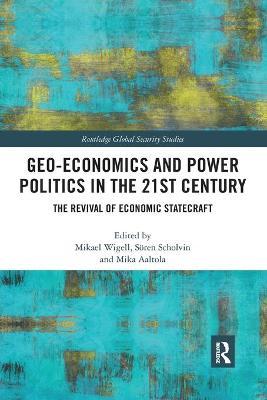
xStarting from the key concept of geo-economics, this book investigates the new power politics and argues that the changing structural features of the contemporary international system are recasting the strategic imperatives of foreign policy practice.
States increasingly practice power politics by economic means. Whether it is about Iran's nuclear programme or Russia's annexation of Crimea, Western states prefer economic sanctions to military force. Most rising powers have also become cunning agents of economic statecraft. China, for instance, is using finance, investment and trade as means to gain strategic influence and embed its global rise. Yet the way states use economic power to pursue strategic aims remains an understudied topic in International Political Economy and International Relations. The contributions to this volume assess geo-economics as a form of power politics. They show how power and security are no longer simply coupled to the physical control of territory by military means, but also to commanding and manipulating the economic binds that are decisive in today's globalised and highly interconnected world. Indeed, as the volume shows, the ability to wield economic power forms an essential means in the foreign policies of major powers. In so doing, the book challenges simplistic accounts of a return to traditional, military-driven geopolitics, while not succumbing to any unfounded idealism based on the supposedly stabilising effects of interdependence on international relations. As such, it advances our understanding of geo-economics as a strategic practice and as an innovative and timely analytical approach.
This book will be of much interest to students of security studies, international political economy, foreign policy and International Relations in general.
- Choosing a selection results in a full page refresh.